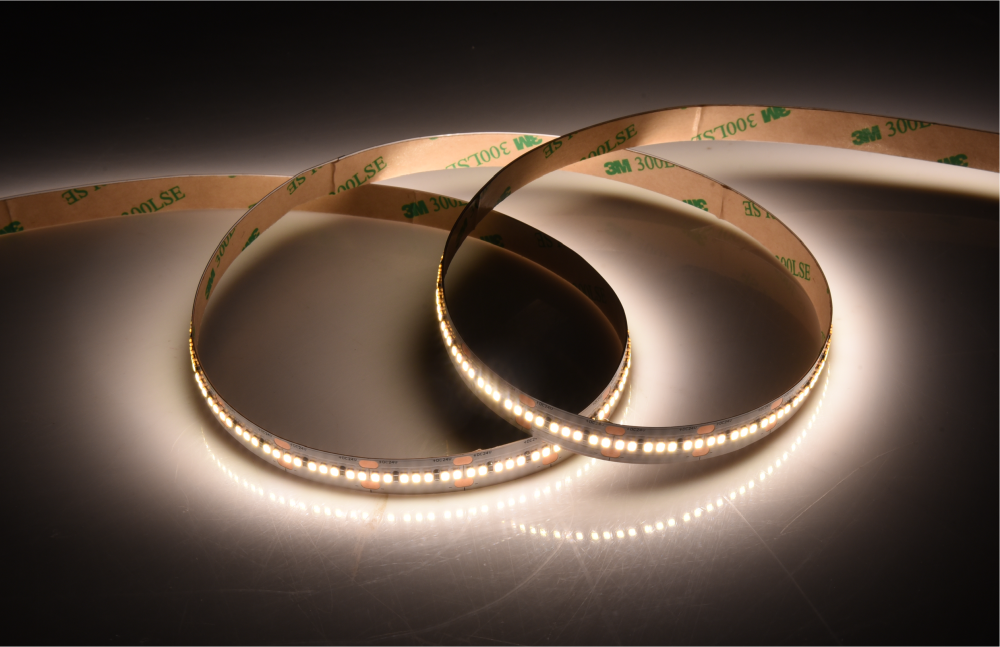
Lighting projects often look straightforward on paper, yet small specification differences can affect installation time, visual consistency, maintenance, and long-term operating costs. Before purchasing standard LED strip lights, buyers need to assess more than price and brightness. LEDIA Lighting provides lighting solutions for different applications, while a careful technical review helps project teams determine whether a product matches the actual requirements.
Define the Application Before Comparing Specifications
The intended environment should shape the specification from the beginning. Office ceilings, residential coves, retail displays, and decorative installations each have different requirements for brightness, colour appearance, operating hours, and installation conditions.
A strip used for general illumination may need consistent output across a long run, whereas accent lighting may place greater emphasis on colour quality and visual effect. Establishing the primary function makes it easier to compare products on relevant criteria rather than relying on a single headline specification.
Installation conditions deserve equal attention. Buyers should identify the mounting surface, available space, ventilation, wiring route, and whether the strip will be visible directly or concealed behind a diffuser. These details influence the required dimensions and optical performance.
Examine Electrical and Lighting Performance
Voltage compatibility is one of the first technical checks. The strip, power supply, controller, and wiring must work within the same electrical system. Buyers should also confirm the rated power per metre and calculate the total load using the planned installation length.
Voltage drop can affect brightness and colour consistency, particularly across extended runs. A long installation may require power injection at multiple points or a different circuit layout. Reviewing the manufacturer’s recommended maximum run length and connection method can help prevent uneven illumination.
Brightness alone does not describe the quality of the light. Lumens per metre indicate the amount of light produced, while efficacy expresses how efficiently electrical power is converted into light. The required output depends on room dimensions, mounting height, surface reflectance, and whether the strip serves as primary or supplementary lighting.
Colour Rendering Index (CRI) is another important consideration. CRI80+ is commonly used in general lighting applications, while CRI90+ can be useful in spaces where more accurate colour appearance matters, such as clothing displays, residential interiors, and certain retail environments. The appropriate level depends on the visual task and project budget.
Colour temperature should also be specified before ordering. Warm white can create a relaxed atmosphere in residential settings, while neutral or cool white may suit work areas and some commercial interiors. If several batches will be installed in the same visible space, buyers should check colour consistency and available binning information.
Review Construction, Installation, and Supplier Details
Physical dimensions affect both appearance and compatibility. Buyers should check strip width, thickness, LED spacing, cutting intervals, and connector type before finalising the installation design. These details determine whether the strip fits the available channel and whether it can be cut and joined at the required positions.
Thermal management is frequently overlooked. LEDs generate heat during operation, and prolonged exposure to excessive temperatures can contribute to faster lumen depreciation. An appropriate mounting surface or aluminium profile can help dissipate heat, particularly in enclosed spaces or installations with higher power density.
Environmental protection must match the installation location. Indoor dry areas may have different requirements from kitchens, bathrooms, covered outdoor spaces, or exposed exterior applications. An IP rating describes protection against dust and water under specified test conditions; it does not automatically indicate resistance to every chemical, cleaning agent, or installation environment.
The 2219 Series from LEDIA Lighting is designed for office, residential, retail, and decorative lighting applications. It offers CRI80+ as well as an optional CRI90+ version, giving buyers a choice based on the colour-rendering needs of the project. Its application range makes it relevant to projects that require a surface-mounted linear lighting format, although the full technical datasheet should be reviewed for dimensions, electrical ratings, output, and installation requirements before specification.
Supplier evaluation should extend beyond the product catalogue. Buyers can request datasheets, test reports, warranty terms, production information, and details about quality-control procedures. For projects involving repeat orders, it is also useful to clarify how the supplier manages product consistency between batches and communicates specification changes.
Conclusion
A sound purchasing decision comes from matching technical details to the conditions in which the lighting will operate. Electrical compatibility, light quality, thermal behaviour, physical dimensions, and environmental protection all deserve attention before an order is placed. Comparing standard LED strip lights against a defined project specification can reduce avoidable changes during installation and help maintain consistent results.
The same discipline applies when evaluating a linear surface mounted light: mounting conditions, light distribution, colour quality, and maintenance access should be considered together rather than in isolation. With its range of lighting solutions and application options, LEDIA Lighting offers buyers a starting point for assessing project requirements. A clear datasheet review and written confirmation of key specifications remain essential before procurement.