
Automated clinical chemistry analyzers and in-vitro diagnostic platforms require continuous hardware precision to ensure repeatable patient test metrics. Equipment builders operate under strict manufacturing schedules to supply hospital laboratories worldwide. Unplanned component bottlenecks threaten instrument deliveries, inflate overhead, and risk stalling critical healthcare diagnostic programs during volume commercial rollouts.
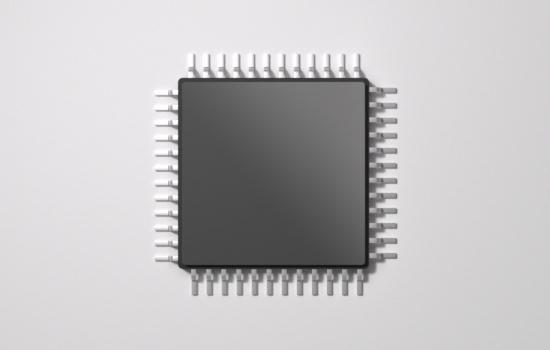
Medical device manufacturers frequently build fluidic handling and optical sensing modules around the STM32F103C8T6 32-bit Microcontroller (MCU). This established microcontroller platform can support predictable motor-control routines, although hardware changes may still be required as system requirements evolve. Sudden channel stockouts force purchasing directors to balance engineering qualification demands against unpredictable component availability across global electronics markets.
Regulatory Recertification Locks Diagnostic Processing Hardware
Healthcare equipment must comply with demanding international standards, including ISO 13485 quality systems and IVDR regulatory certifications. Altering any fundamental integrated circuit within an approved diagnostic system triggers exhaustive technical documentation updates, safety risk audits, and extensive clinical laboratory validation trials before commercial release.
Design revisions create substantial financial burdens that diagnostic manufacturers cannot absorb during active volume production. Modifying a validated printed circuit board introduces mandatory electromagnetic compatibility retesting and complex reagent recalibrations. Retaining the approved processor architecture represents the only practical path to prevent costly commercial manufacturing halts.
Encountering a sudden electronic component supply shortage leaves biomedical engineering teams with zero fast substitution choices. Requalifying replacement silicon can take up to a full year, during which medical assembly lines sit completely idle. Safeguarding existing board layouts through targeted global procurement prevents catastrophic regulatory submission delays and market disruption.
Stepper Synchronization and Fluidic Micro-Dosing Depend on Proven Silicon
Accurate specimen processing requires sub-microliter liquid dispensing, precise reagent mixing, and synchronized cuvette transport across multiple clinical testing bays. Embedded firmware architectures rely heavily on the STM32F103C8T6 32-bit Microcontroller (MCU), utilizing its 72 MHz Arm Cortex-M3 core to govern tight real-time motion control loops with deterministic accuracy.
Internal hardware capabilities streamline sensitive electromechanical designs across multi-axis robotic pipetting arms. Integrating multiple 16-bit timers alongside an advanced-control timer allows simultaneous pulse-width modulation outputs for specialized stepper motor drivers. Hardware-level peripheral coupling guarantees smooth physical movements without execution jitter, fluidic turbulence, or sample splashing.
Optical photometers and colorimetric sensors interface directly with on-chip dual 12-bit analog-to-digital converters across ten dedicated input channels. Firmware algorithms convert low-level analog signals into clinical absorbance measurements using dedicated register mappings. Porting these routines to alternative architectures introduces timing variances that directly compromise patient diagnostic accuracy.
Wafer Capacity Divergence Compounds Medical Equipment Allocations
Semiconductor foundries worldwide continue shifting major capital expenditures toward advanced packaging, artificial intelligence accelerators, and memory nodes. Concentrating wafer fab resources on enterprise computing inevitably generates an electronic component supply shortage across established mature lithography lines. Embedded microcontrollers face prolonged allocation cycles as wafer priority migrates toward high-margin chips.
Fabrication facilities require massive capital investments and multi-year commissioning timelines to construct cleanrooms and qualify specialized lithography tooling. Component manufacturers consequently favor hyper-scale accounts when silicon output tightens, pushing delivery horizons for embedded processors past forty weeks. Medical instrument makers suddenly discover that distributor purchase orders face indefinite rolling delays.
Regional franchise catalog inventories evaporate rapidly under synchronized buying pressure from competing industrial, automotive, and consumer electronics sectors. Equipment builders that depend purely on routine just-in-time replenishment face severe parts deficits without advance notice. Navigating recurring global allocation cycles demands monitoring semiconductor foundry trends, fab realignments, and international inventory movements.
Counterfeit Contamination Hazards Threaten In-Vitro Diagnostic Systems
Desperate purchasing managers attempting to resolve component shortfalls frequently face predatory offers from unregulated grey-market traders. Dubious brokers exploit urgent production schedules by circulating remarketed components, cloned silicon, or salvaged parts harvested from decommissioned machinery. Installing unverified devices into clinical medical equipment creates catastrophic operational hazards and severe patient safety liabilities.
Sourcing the STM32F103C8T6 32-bit Microcontroller (MCU) through unverified spot brokers exposes diagnostic platforms to silent firmware lockups, premature thermal breakdown, and drifting internal clock frequencies. Degraded silicon can cause subtle timing errors during enzymatic reaction measurements, generating inaccurate diagnostic reports that endanger patients and trigger legal repercussions.
Eliminating counterfeit risks requires rigid laboratory authentication protocols before incoming semiconductor reels reach surface-mount assembly lines. Qualified inspection facilities perform high-magnification optical microscopy, chemical surface marking permanence testing, real-time X-ray packaging analysis, and comprehensive electrical pin parameter verification. Thorough incoming screening intercepts compromised components before board assembly begins.
Unibetter provides component sourcing support through franchised supply networks and applies its CSD quality management system to incoming component inspections. Enforcing rigorous traceability controls preserves patient safety and ensures compliance with international regulatory bodies.
Authorized Distribution Frameworks Stabilize Clinical Manufacturing Pipelines
Protecting healthcare device production against an electronic component supply shortage requires shifting from reactive spot buying toward structured supply chain management. Procurement teams must conduct regular bill-of-materials risk audits, identifying single-source parts early to build strategic safety stock well ahead of commercial distribution squeezes and unexpected vendor delivery pushouts.
Strengthening Global Sourcing and Cost Management
Establishing diversified procurement channels unlocks factory surpluses across international manufacturing centers that regional buyers often overlook. Bridging international supply gaps, Unibetter distributes a wide range of electronic components, connecting biomedical equipment manufacturers with verified global inventory reserves to maintain steady factory output. Reliable inventory access shields sensitive medical production schedules from distributor stockouts.
Managing bill-of-materials expenditures during market squeezes is essential to preserve medical instrument profitability. Skilled procurement specialists leverage international trade data to negotiate balanced volume pricing, protecting equipment builders from open-market price surges. Supporting customers to locate needed electronic components and acquire them at lower costs stands as the core service strength of Unibetter.
Maintaining clinical diagnostic instrument manufacturing during semiconductor pinches requires combining rigid regulatory engineering discipline with agile procurement partnerships. Structured sourcing and incoming quality inspections can help medical equipment manufacturers manage counterfeit risks, evaluate procurement costs, and plan component availability.
