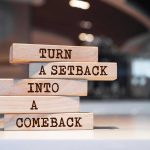

Every experience—whether joyful, challenging, or routine—shapes who we become. Personal growth isn’t limited to big achievements or major life events; it often comes through the small, consistent moments of learning, reflection, and adaptation. Each choice, setback, and success holds a lesson that can strengthen our character, deepen our understanding, and help us approach life with more intention and resilience. Just as debt consolidation simplifies multiple financial obligations into a manageable plan, personal growth involves bringing together lessons from different areas of life to create balance, clarity, and forward progress.
Learning from Both Success and Struggle
It’s natural to celebrate success and try to forget mistakes, but both play equally important roles in personal development. Success reinforces what works—it builds confidence and motivation. Struggles, however, are often where the real transformation happens. They challenge our beliefs, test our patience, and reveal the gaps between who we are and who we want to be.
When things don’t go as planned, the discomfort can inspire self-awareness. It encourages us to evaluate not only our actions but also our reactions. Instead of labeling difficult experiences as failures, viewing them as feedback allows us to see setbacks as opportunities to learn. This shift in mindset creates space for growth rather than discouragement.
The Role of Emotional Intelligence
Emotional intelligence—the ability to recognize, understand, and manage emotions—is at the heart of personal growth. It affects how we communicate, resolve conflict, and build relationships. Developing emotional intelligence means paying attention to your internal dialogue and identifying how emotions influence your behavior.
For instance, when you feel defensive during feedback, pausing to recognize that reaction can help you respond thoughtfully instead of impulsively. Over time, this awareness leads to better emotional regulation and deeper empathy for others. According to the American Psychological Association, emotional intelligence is closely linked to psychological well-being, improved relationships, and effective leadership. By cultivating it, you become not only more self-aware but also more capable of connecting meaningfully with others.
Turning Adversity into Strength
Growth rarely happens in comfort. Difficult experiences—such as job loss, financial hardship, or emotional setbacks—often provide the richest soil for personal development. When faced with adversity, resilience becomes your greatest tool. It’s not about avoiding pain but about learning how to move through it without losing hope.
Resilience allows you to adapt, adjust your expectations, and keep pursuing your goals despite challenges. For example, if financial struggles have left you feeling discouraged, taking steps to regain control—like budgeting, saving, or exploring debt relief—can restore confidence and create a sense of empowerment. Each time you recover from a difficult experience, you build strength and trust in your ability to handle what comes next.
Building Empathy and Self-Compassion
True growth isn’t just about achievement; it’s about becoming kinder—to yourself and others. Experiences that stretch you emotionally, like loss or failure, can increase your capacity for empathy. They remind you that everyone faces challenges, even if they look different from your own.
Self-compassion, meanwhile, helps you approach your journey with patience rather than judgment. Instead of criticizing yourself for mistakes, you acknowledge that imperfection is part of being human. This mindset doesn’t mean lowering your standards—it means embracing the idea that growth takes time, and progress often comes in small, steady steps.
Cultivating a Growth Mindset
A growth mindset, as described by psychologist Carol Dweck, is the belief that abilities and intelligence can be developed through effort, learning, and perseverance. When you see yourself as a work in progress, every experience—positive or negative—becomes a learning opportunity.
This mindset allows you to embrace challenges without fear of failure. You begin to view obstacles as steppingstones rather than roadblocks. Even criticism can become valuable input rather than a threat to your confidence. Over time, adopting a growth mindset leads to greater persistence, creativity, and long-term satisfaction.
Practical Ways to Encourage Growth
Personal growth doesn’t require major life changes—it thrives in daily habits and intentional reflection. Here are a few simple but effective practices:
- Reflect regularly: Take time each week to consider what you’ve learned from recent experiences. Journaling can help you identify patterns and progress.
- Seek feedback: Ask trusted friends or mentors for perspective. Constructive input helps you see blind spots and celebrate strengths.
- Set meaningful goals: Focus on goals that align with your values, not just external achievements. This ensures that growth feels fulfilling, not forced.
- Prioritize mental health: Practices like mindfulness, therapy, or even regular exercise can keep your mind resilient and open to learning. The National Institute of Mental Health offers helpful resources on managing stress and maintaining emotional balance.
Each of these steps reinforces your ability to grow continuously and intentionally.
Finding Purpose in the Process
Personal growth through experience is not about perfection—it’s about evolution. Life will always bring unexpected challenges, but how you interpret and respond to them determines the kind of person you become. Growth happens when you approach each moment, even the uncomfortable ones, with curiosity instead of fear.
When you begin to see your experiences as teachers, your perspective shifts. You stop waiting for “the right time” to improve and start learning from what’s already in front of you. The highs and lows of life both contribute to your development, making you more adaptable, self-aware, and grounded.
Final Thoughts
Every experience carries a lesson if you’re willing to look for it. From daily frustrations to major milestones, each moment shapes your emotional depth, resilience, and understanding of yourself. Growth doesn’t come from having an easy path—it comes from learning to navigate the difficult ones with patience, wisdom, and a willingness to evolve.
Life will continue to hand you lessons in unexpected ways. The key is to approach them with openness and gratitude, knowing that every experience—good or bad—is helping you become a stronger, wiser version of yourself.

Oliver Smith is an experienced blogger at Grammar Globe, Oliver Smith, an expert in English grammar and a master of wit, brings language to life with his playful take on puns. Through his works, he weaves humor into the rules of grammar, making learning fun and engaging for readers of all ages. Discover language with a smile!”