
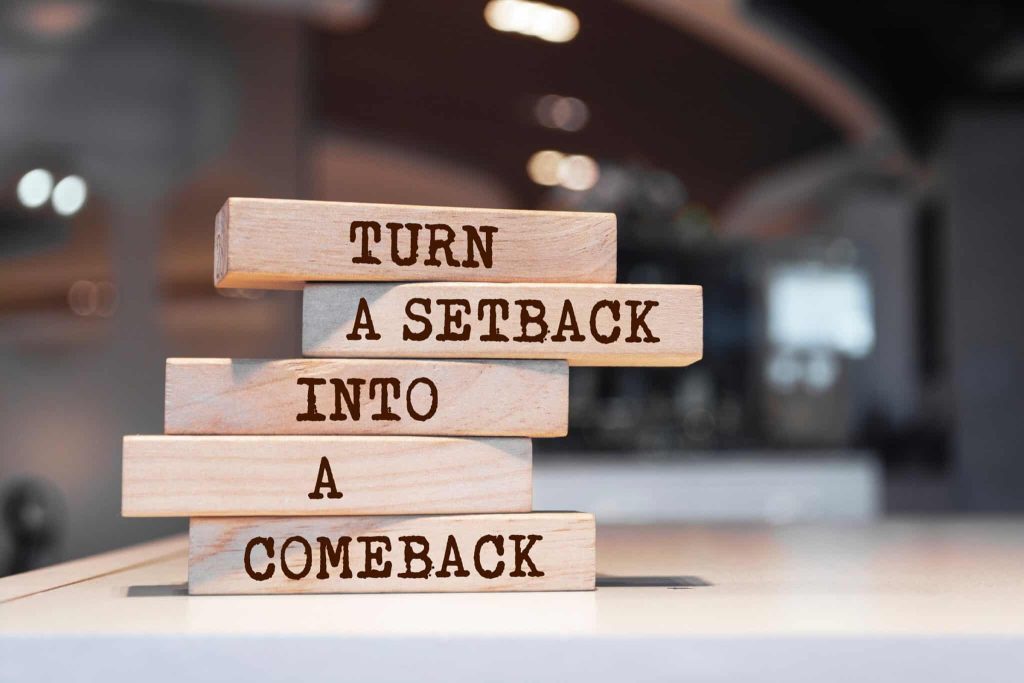
Understanding Setbacks as Part of Everyday Life Rather Than Emergencies
Setbacks tend to feel like sudden crises, but in reality, they are simply part of being human. Everyone faces moments when plans fall apart or circumstances shift unexpectedly. The difference lies in how you respond to them. When you view setbacks as natural rather than catastrophic, you give yourself space to think clearly and move forward without panic. Even when the setback is financial and you find yourself weighing options such as a car title loan in Mesa, the goal is not to react impulsively but to approach the situation with steadiness. Handling setbacks without drama is less about suppressing emotion and more about choosing a response that reflects your resilience rather than your fear.
Choosing Thoughtful Responses Instead of Emotional Reactions
Drama tends to surface when emotions lead the way before logic has a chance to catch up. While emotions are natural, they do not always provide the most reliable blueprint for action. Taking a step back, pausing, and assessing the situation helps you avoid choices that create more problems later. This is not about pretending the setback does not bother you. It is about separating the event from the story you might instinctively attach to it. When you respond thoughtfully, you lower your stress and open the door to more creative solutions. This approach also leaves you with a stronger sense of control, something essential during uncertain moments.
Building Calm Through Awareness of Your Triggers
Drama often comes from internal triggers rather than external circumstances. Maybe you associate setbacks with past experiences or feel pressure to maintain a perfect life. Understanding what triggers emotional reactions helps you navigate setbacks more calmly. When you know how your mind responds under stress, you can replace automatic reactions with healthier patterns. This self-awareness forms the foundation of emotional resilience. Over time you become more grounded and better equipped to deal with obstacles without spiraling into unnecessary worry or frustration.
Reflecting on What the Setback Is Actually Telling You
Every setback carries information. Instead of viewing the moment as a failure, you can ask what it reveals about your plans, habits, or expectations. Maybe the setback shows that a goal needs adjusting or that your timeline was too tight. Maybe it highlights a skill you need to develop or a support system you need to strengthen. This reflective approach transforms setbacks into opportunities for growth. This idea aligns with research from the American Psychological Association showing that resilience is built through adaptive thinking rather than avoidance or denial.
Using Small, Steady Steps to Rebuild Momentum
Drama thrives when you try to fix everything at once. Calm grows when you take things one step at a time. After a setback, identify the smallest next action that moves you forward. This could be making a phone call, rewriting a plan, reaching out for advice, or simply getting organized. Small steps rebuild momentum without overwhelming your mind. As motivation returns, bigger actions become easier. With this approach, setbacks lose their power to derail your long-term goals, because you always have a manageable path for moving forward.
Strengthening Your Support System Before You Need It
One of the best ways to handle setbacks without drama is to establish support networks long before challenges arise. Having people you can talk to makes difficult moments feel less isolating. Support systems do not need to be large. A few trusted individuals who offer perspective, encouragement, or guidance can make a meaningful difference. Communities, professional networks, and wellness resources also help. Organizations such as the National Alliance on Mental Illness emphasize how community support contributes to emotional resilience. When you already have support in place, setbacks feel more manageable because you are not facing them alone.
Letting Go of the Need for Perfection
Perfectionism often fuels dramatic reactions to setbacks. When you expect yourself to get everything right on the first try, any deviation feels like failure. A healthier mindset accepts that progress is rarely linear. Mistakes, delays, and unexpected events are normal. When you release the need to perform perfectly, setbacks feel less like personal shortcomings and more like natural adjustments along the way. Letting go of perfection also frees up energy that can be redirected into problem solving.
Separating Identity from Circumstances
Drama becomes magnified when you internalize a setback as part of your identity. A missed deadline becomes “I am bad at this.” A financial struggle becomes “I will always be behind.” These statements deepen emotional distress and distort how you see your capabilities. Separating who you are from what happened helps maintain perspective. A setback is an event, not a definition. With this separation, you can evaluate the situation objectively and choose responses that build confidence instead of eroding it.
Using Setbacks as a Reset Button Instead of a Stopping Point
Handled calmly, setbacks can act as reset points that bring clarity. They force you to pause, reconsider direction, or reinvest in what truly matters. This mindset turns challenges into turning points. When you frame setbacks as moments of recalibration rather than disaster, you create an environment where growth becomes the natural outcome. Over time, this approach shapes a more balanced and resilient version of yourself, one that handles obstacles with skill rather than dramatic reaction.
Moving Forward With a Full Sense of Strength and Perspective
Handling setbacks without drama does not mean ignoring emotions or pretending everything is fine. It means acknowledging what happened while choosing a response that reflects strength and self-awareness. You stay grounded, pace yourself, and use setbacks as steppingstones toward personal growth. With each calm response, you reinforce your ability to handle life’s unpredictability. The more you practice this approach, the more natural it becomes, allowing you to move through challenges with clarity, resilience, and confidence.

Oliver Smith is an experienced blogger at Grammar Globe, Oliver Smith, an expert in English grammar and a master of wit, brings language to life with his playful take on puns. Through his works, he weaves humor into the rules of grammar, making learning fun and engaging for readers of all ages. Discover language with a smile!”